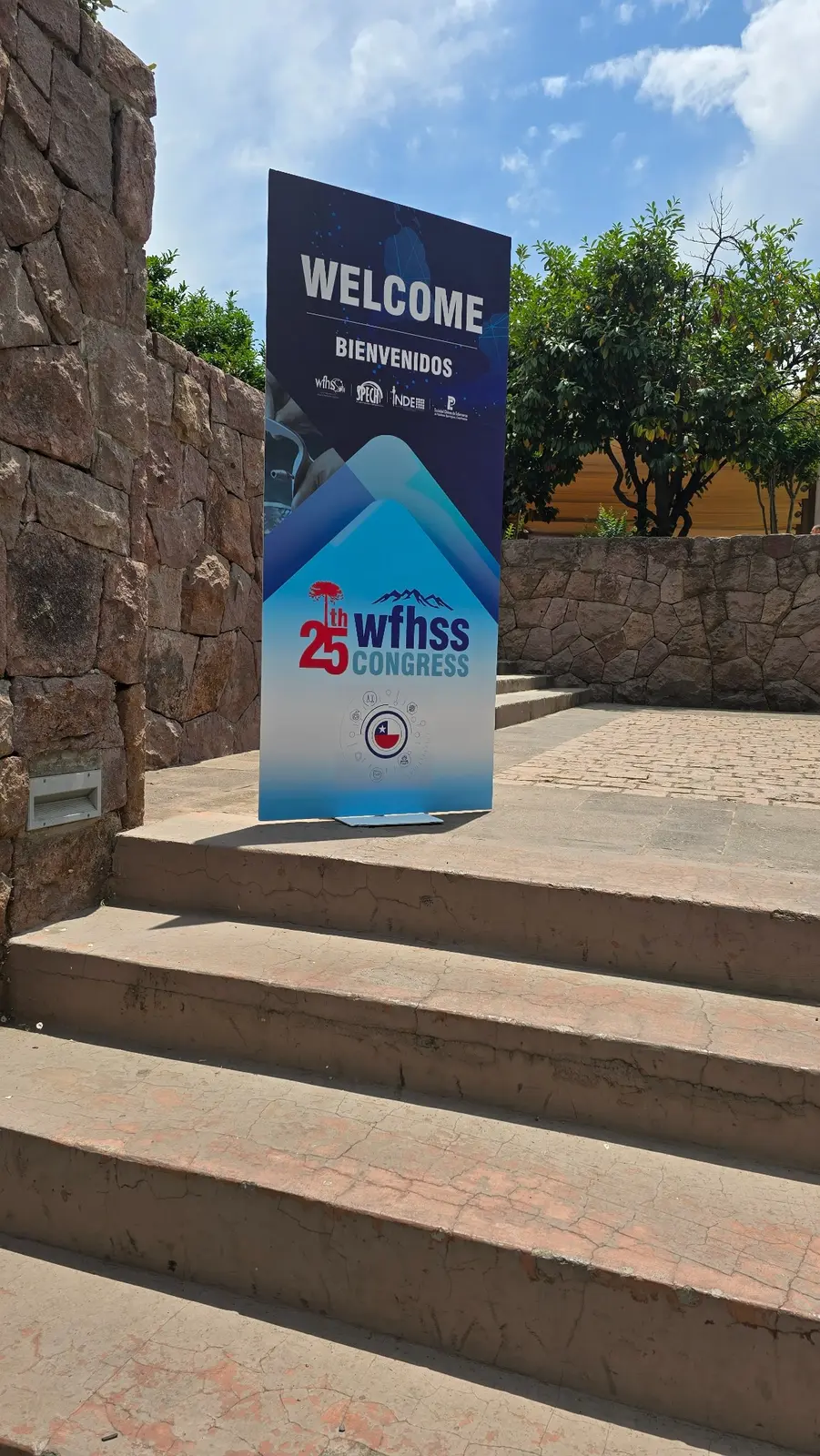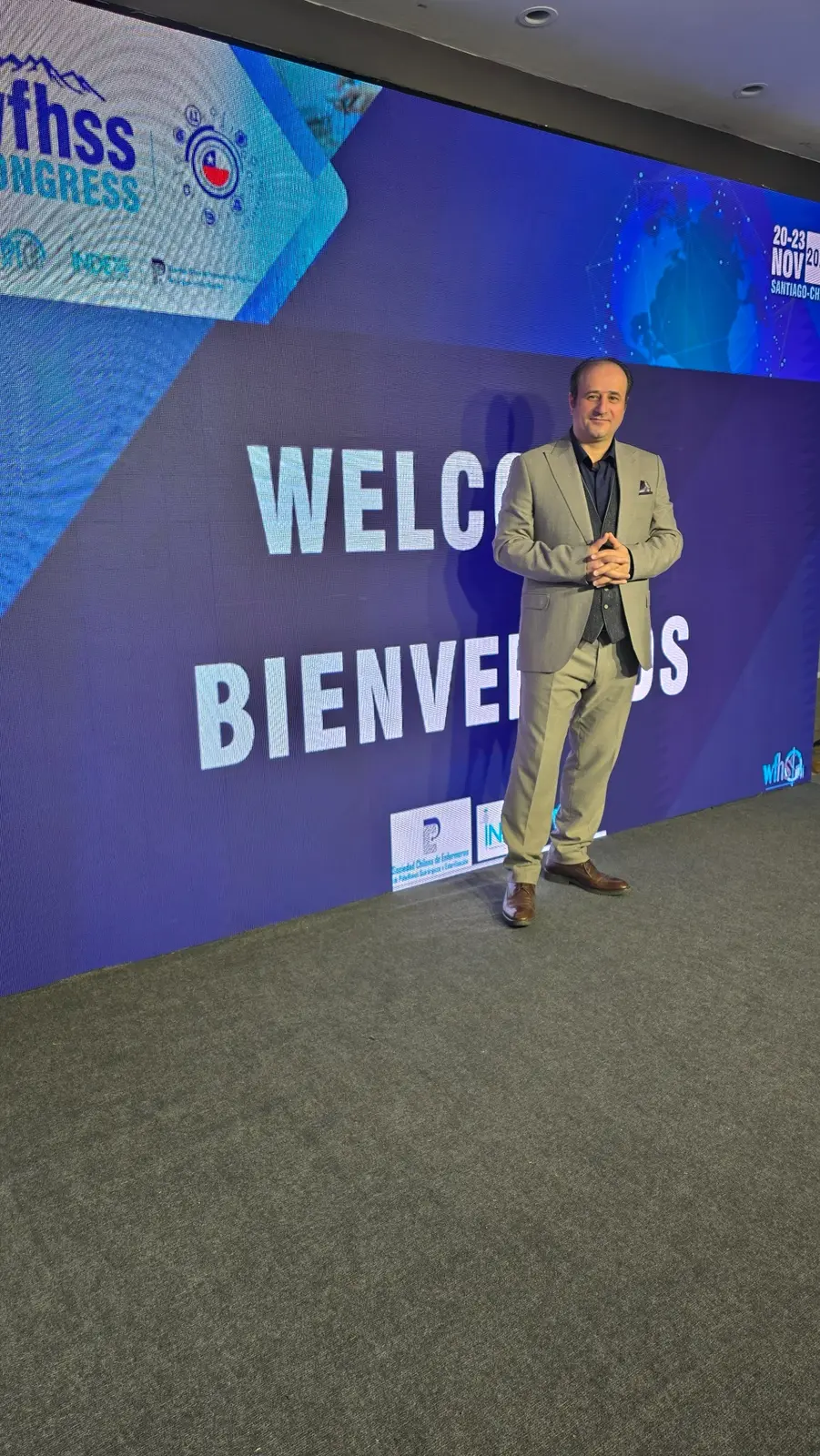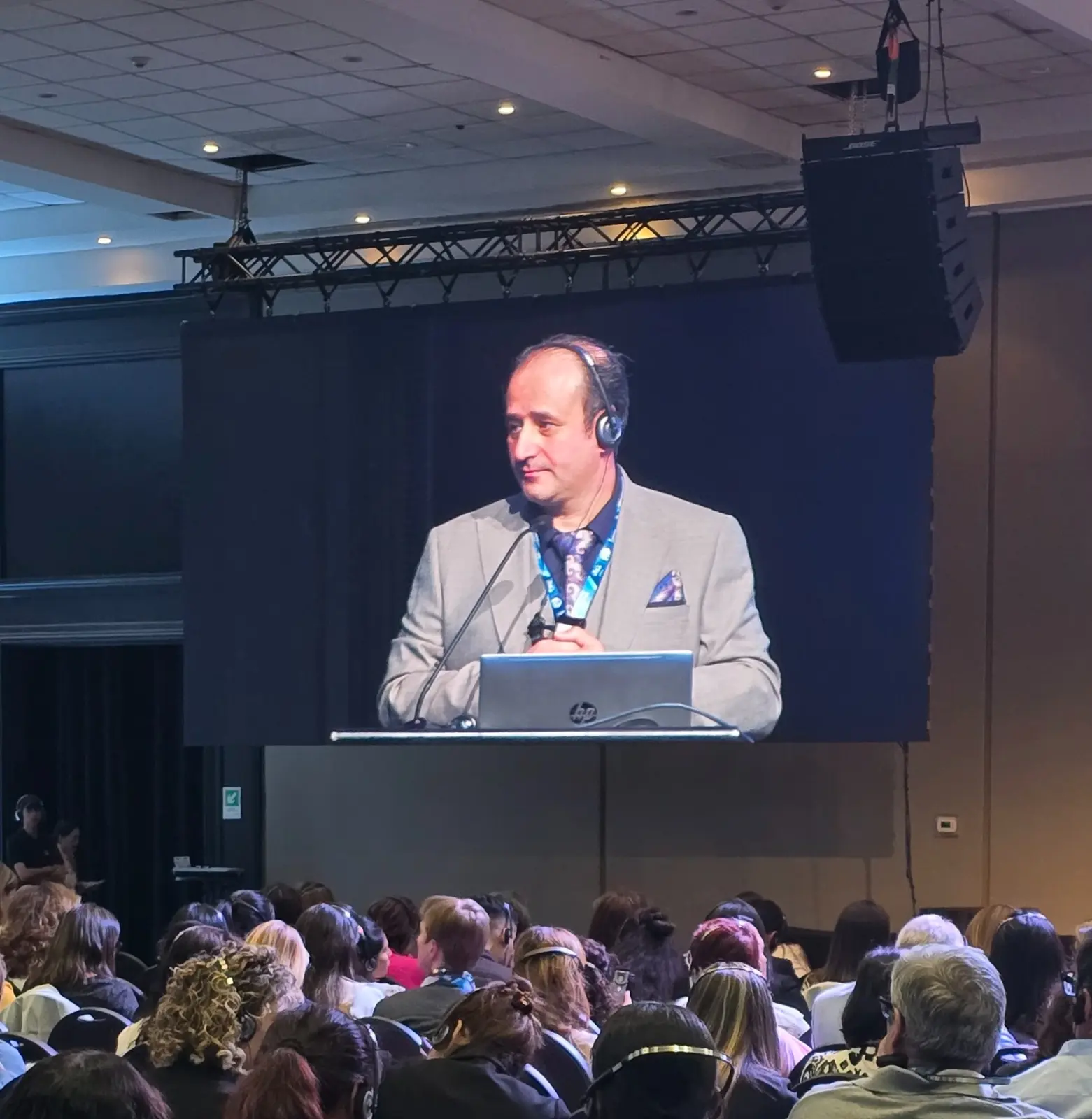
The 25th WFHSS World Sterilization Congress was held from 20 to 23 November 2024 at the Metropolitan Convention Center in Santiago, Chile. The event brought together specialists, managers, and professionals in sterilization and medical device reprocessing from around the world.
I attended as an invited speaker, President of JAM Sterilization Research Institute, and Iran’s representative in the World Federation for Hospital Sterilisation Sciences. My abstract number 32 was accepted for oral presentation in the scientific programme.
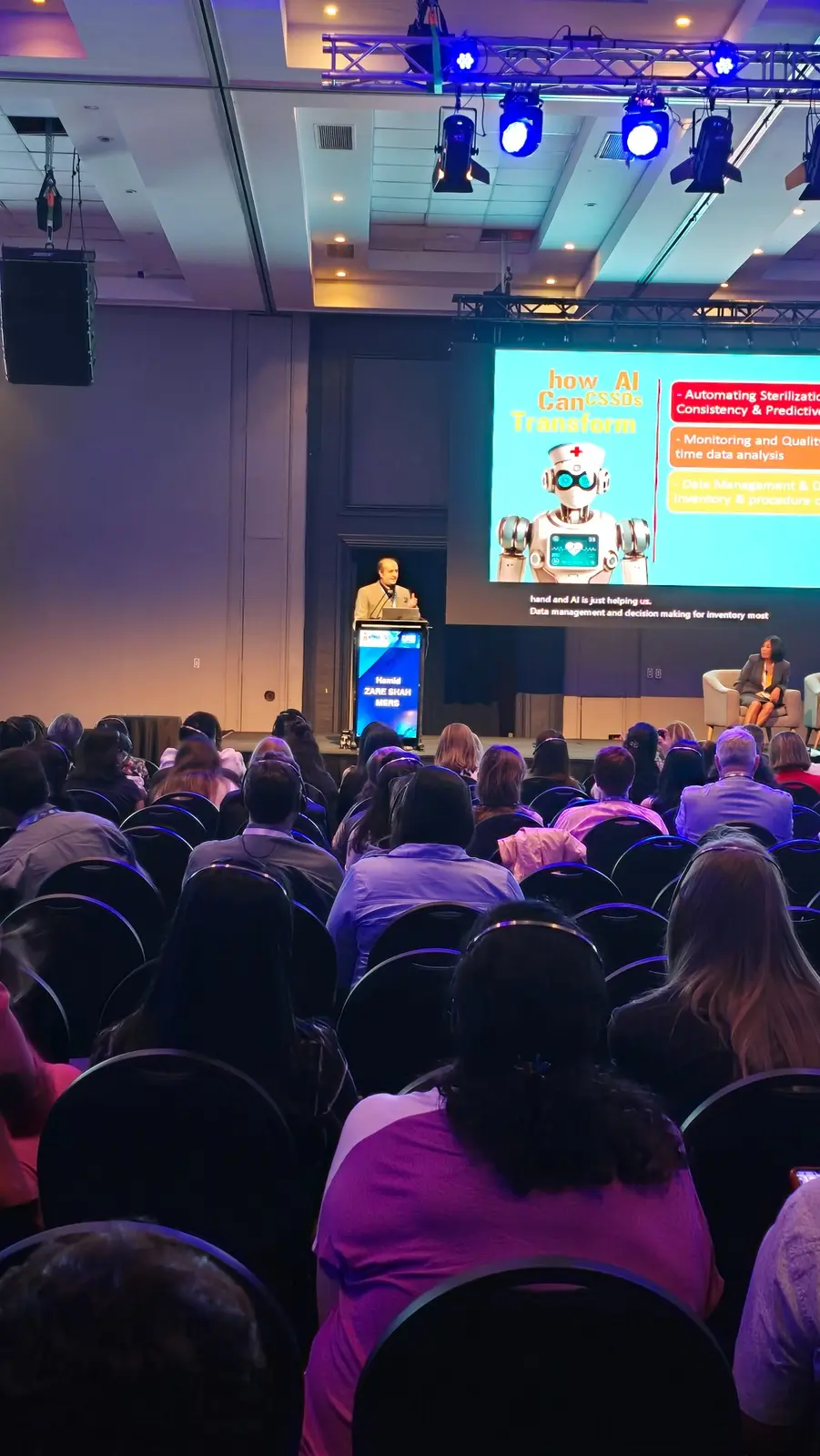
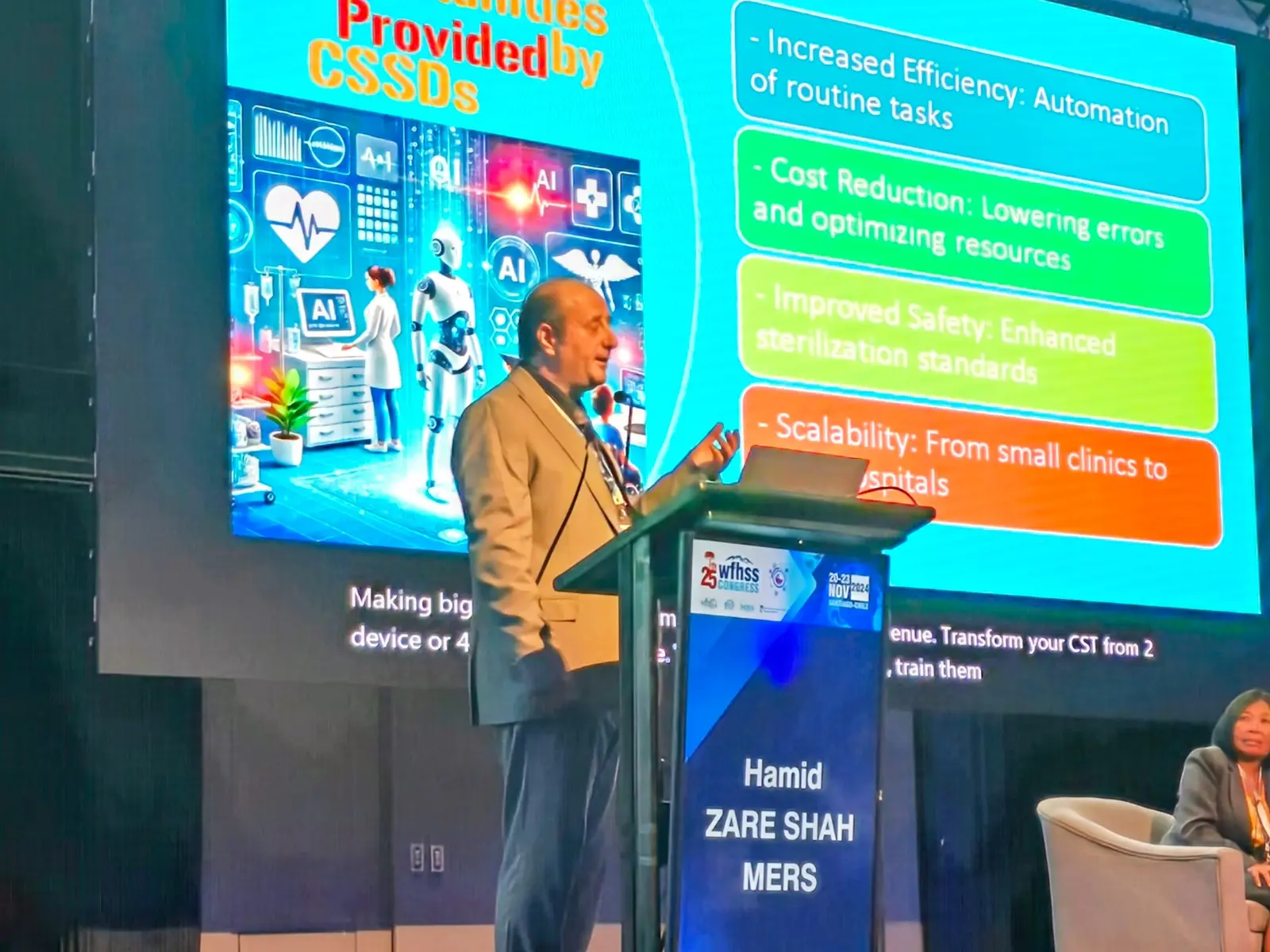
The presentation, AI for Developing Countries CSSDs: Threat or Opportunity?, was delivered on Thursday, 21 November during the Innovation and Green session. This 30-minute presentation in English examined both the opportunities and the risks of using artificial intelligence in central sterile services departments in developing countries.
The opportunities included automating routine tasks, increasing efficiency, reducing errors and costs, optimizing resources, improving safety and sterilization standards, monitoring and analysing data, and supporting operational decisions. The presentation also considered how these tools could scale from small healthcare facilities to large hospitals.
Alongside these benefits, I addressed limitations in infrastructure, data quality and cybersecurity, privacy, access costs, workforce training, the risk of overreliance on technology, and the continuing need for professional oversight.
The central conclusion was that AI should strengthen the capabilities of CSSD professionals rather than replace their expert judgement. Phased implementation, training, validation, risk management, and alignment with recognized standards are essential for safe and effective adoption.
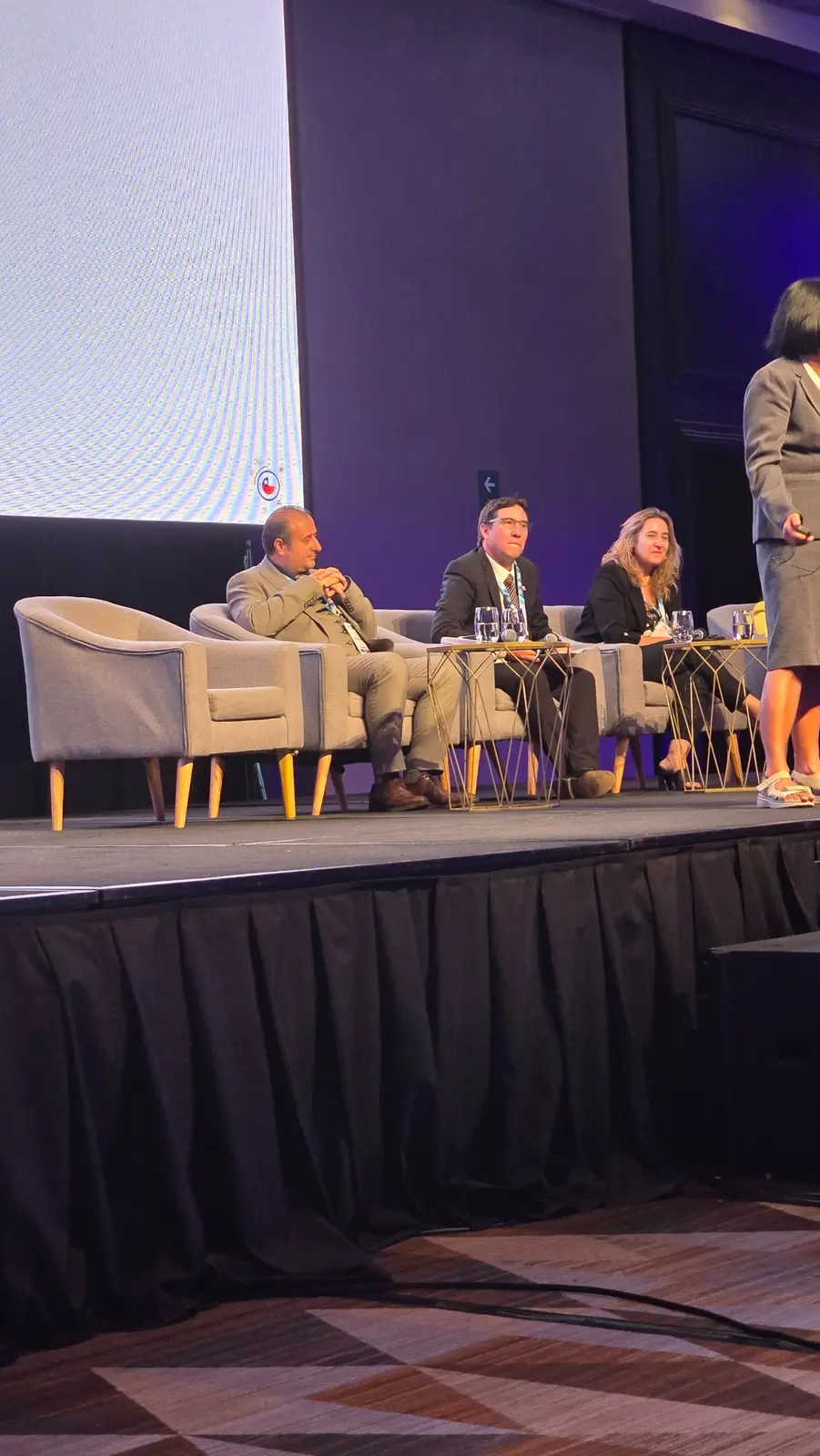
This presentation brought the perspective of developing countries into the global sterilization discussion and highlighted the scientific work of Iran and JAM Sterilization Research Institute. Participation in the congress sessions and panels also created valuable opportunities for international exchange and future collaboration.